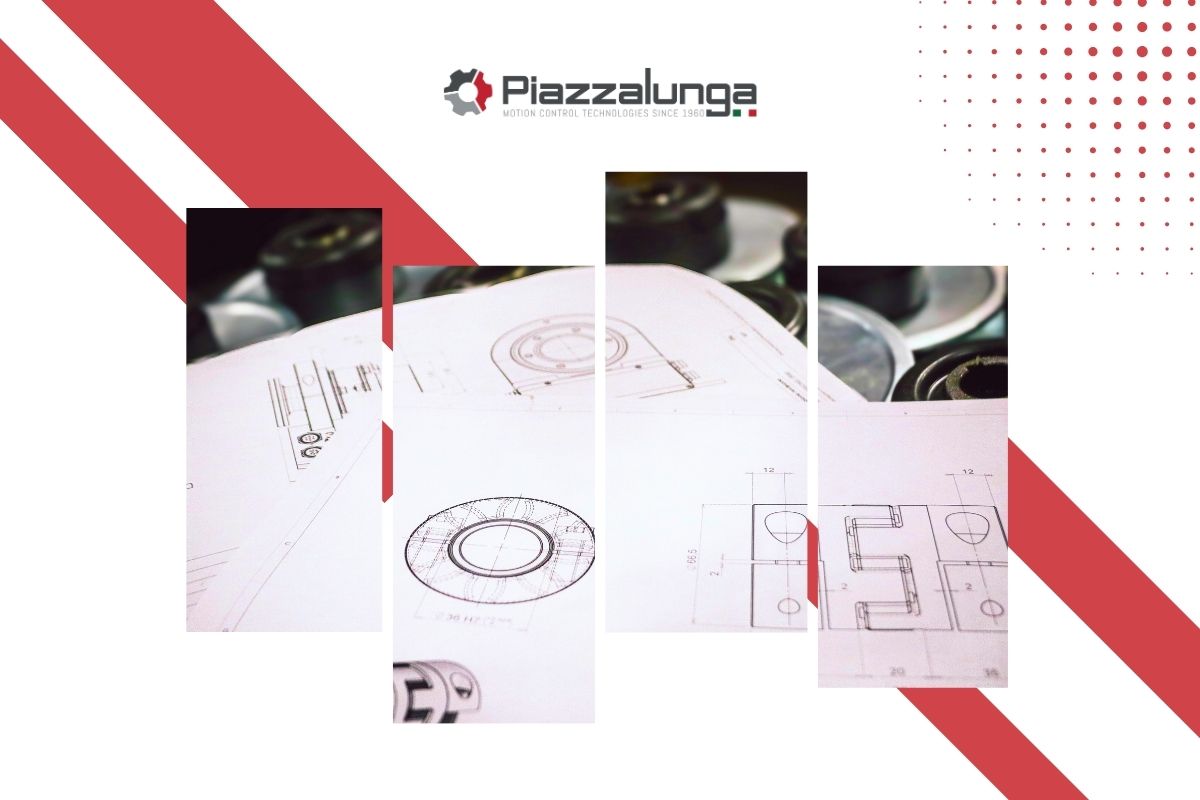
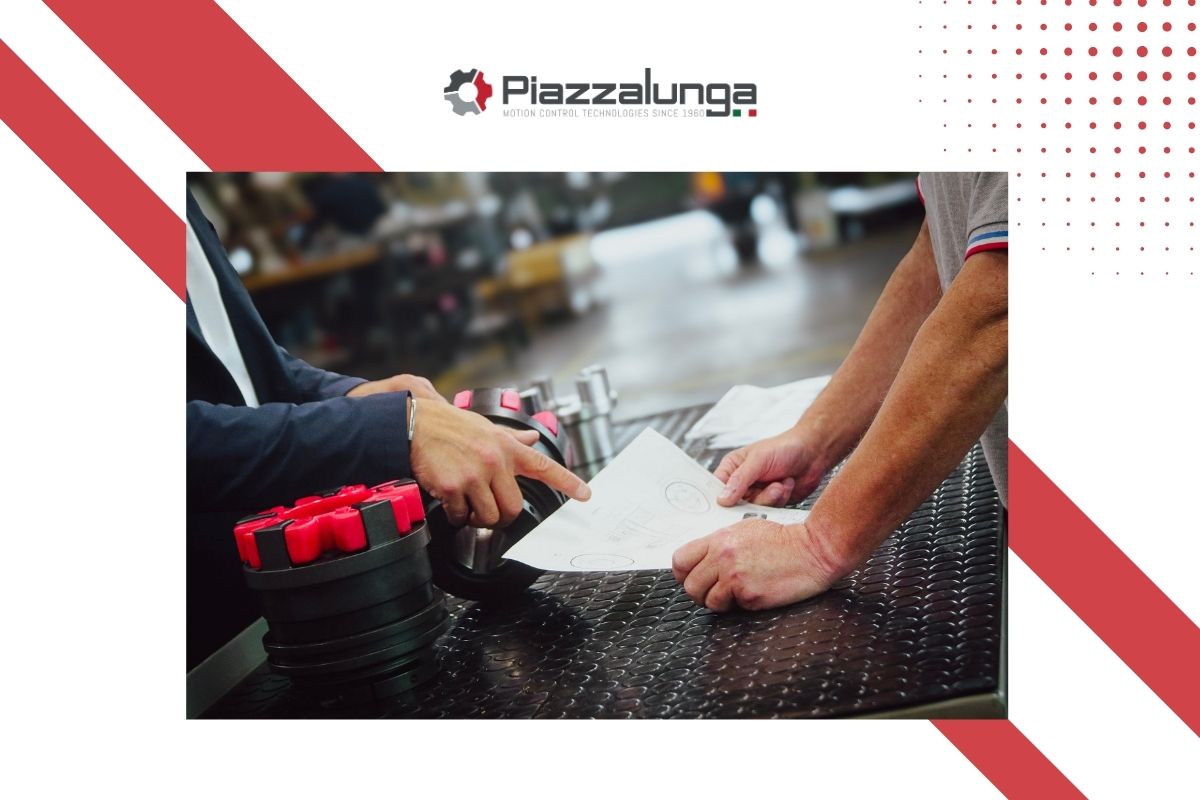
A coupling, a torque limiter, a variable pulley or a slide motor base never work in isolation.
They are always part of a larger system—motors, gearboxes, shafts, varying loads, work cycles and the operating environment.
Many problems arise when components are selected without understanding this context. Even a technically suitable part can turn out to be the wrong choice.
That’s why pre-sales technical consulting is more than a sales step—it’s a critical stage of application design. It’s when the right information is collected to prevent errors, avoid last-minute adjustments, and minimize unexpected machine downtime.
Why a Component Never Works Alone
No component works in isolation.
In real-world industrial applications, performance is affected by:
- fluctuating loads
- misalignments
- varying work cycles
- limited installation space
- harsh or dusty environments
Selecting a component “from the catalog” based on theoretical specs is risky—it might work, but not reliably over time.
That’s why pre-sales technical consulting is essential: to understand the full system before choosing the right component.
What Pre-Sales Technical Consulting Really Is
It is often mistaken for simple sales support but in reality, pre-sales technical consulting is much more.
It is a structured phase in which the technical department:
- analyzes the real application,
- verifies operating conditions,
- cross-checks the data provided by the customer,
- translates the requirements into a coherent technical solution.
The goal is not to “sell a component,” but to help the customer select the right one the first time—avoiding costly adjustments later that impact time, money, and reliability.
The Key Questions of Effective Technical Consulting
A good pre-sales consultation doesn’t start with the product—it starts with the questions.
Simple yet fundamental.
1. The Actual Torque to Transmit
One of the most common mistakes is relying on theoretical torque.
In reality, machines operate under:
- load peaks,
- frequent starts,
- high inertia,
- non-steady conditions.
Knowing the actual torque, including overloads, is essential for proper sizing.
An undersized component wears out quickly, while an oversized one can introduce excessive stiffness, vibrations or unnecessary costs.
2. Rotational Speed and Work Cycles
Speed affects:
- component heating,
- dynamic behavior,
- long-term durability.
But speed alone is not enough. It’s essential to understand how the machine operates:
- continuous 24/7,
- intermittent cycles,
- frequent start & stop.
This information allows for the selection of materials, geometries, and solutions that can sustain the load over time—not just on paper.
3. Misalignments to Compensate
Every mechanical system has misalignments, even when assembly is precise.
These can be:
- axial
- radial
- angular
Ignoring them means transferring unwanted stresses to bearings, shafts and gearboxes.
During technical consulting, these aspects are analyzed to determine how much compensation is really needed and which technology is best suited.
4. Operating Environment
The operating environment is often underestimated, yet it directly affects component selection.
Some examples include:
- dust
- continuous cycle
- high or variable temperatures
- harsh or dirty conditions
Challenging environments require specific solutions: proper materials, protection and more robust geometries.
During pre-sales consulting, these factors are considered from the very beginning, avoiding surprises after installation.
What Happens When This Information Is Missing
When a component is selected without a real application analysis, problems almost always appear later:
- last-minute adjustments during assembly
- unexpected vibrations or noise
- premature wear
- frequent maintenance
- unplanned machine downtime
In many cases, the component isn’t absolutely ‘wrong’—it just isn’t suitable for that specific application
This is exactly what pre-sales technical consulting is designed to prevent.
The Tangible Benefits of a Well-Executed Pre-Sales Consultation
When the right information is gathered before purchase, the benefits are immediate and measurable:
- fewer selection errors, because the component is sized for the real case;
- longer component life, thanks to solutions aligned with loads and environment;
- reduced machine downtime, by preventing problems rather than fixing them;
- fewer corrective actions, saving time on modifications and adjustments;
- greater plant reliability, right from the first start-up.
In short: choosing wisely before purchase means working better afterward.
Conclusion: Choose right, before you buy
Pre-sales technical consulting is not an optional step—it’s a decisive phase in mechanical design.
It’s when the right questions are asked, the context is analyzed and a solid selection is made.
In mechanical engineering, one simple rule applies:
👉 Errors avoided before purchase cost far less than those corrected afterward.
This is exactly the value of a technical partner: helping you select the right component, not just the available one.