The most interesting thing about a trade fair is not what you showcase.
It’s what emerges from conversations.
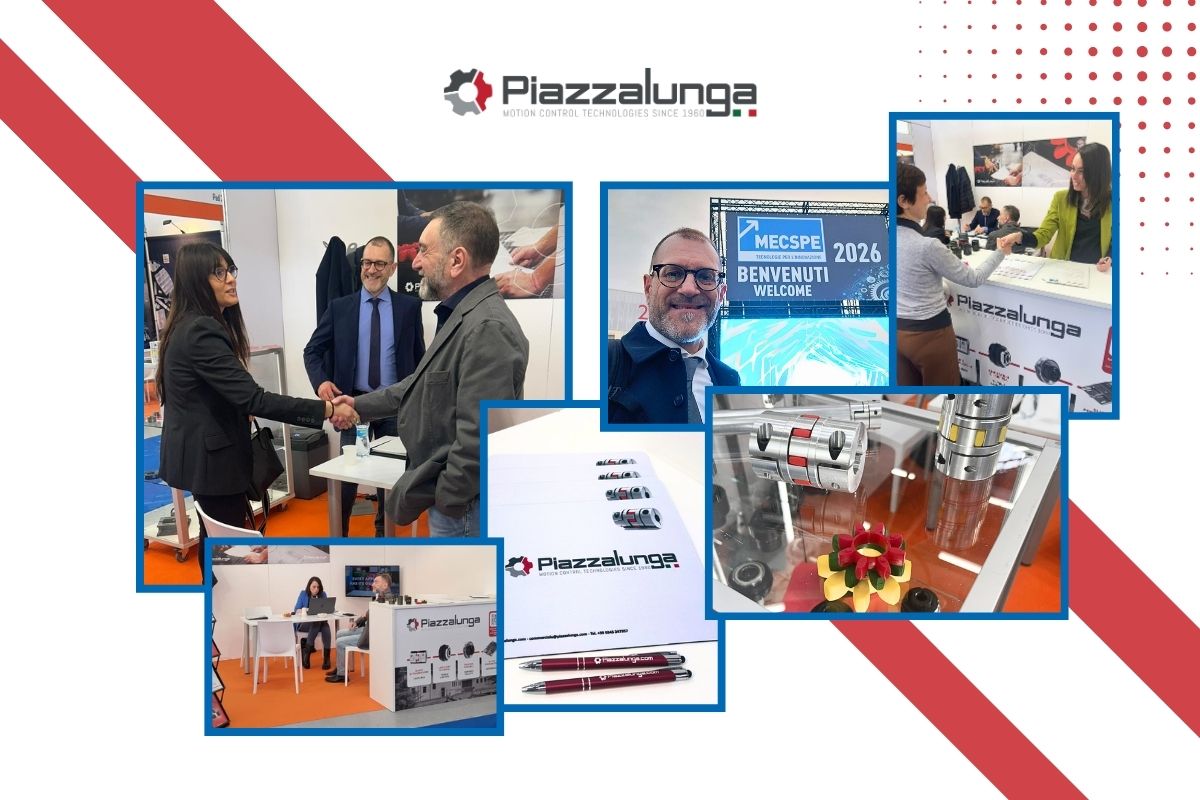
From March 4th to 6th, we took part in MECSPE 2026 at BolognaFiere, within the Confartigianato Village. Once again, one key aspect became clear: the real value of a trade fair lies not in product displays, but in direct discussions about real-world applications.
That’s where real problems emerge and, often, the solutions too.
MECSPE 2026: When Dialogue Reveals Real Challenges
Speaking with designers, technicians, and machine manufacturers, several recurring themes emerged:
- transmissions that need to last longer;
- torque limiters that must engage at the right moment;
- solutions that truly work, not just on paper.
These conversations shared a common element: the issue is rarely the individual component itself.
More often, the real challenge lies in the context in which that component operates.
Variable loads, misalignments, space constraints, environmental conditions: every application introduces variables that make a purely theoretical choice insufficient.
It is precisely in this space — between technical specifications and real operating conditions — that the difference is made.
Why Elastic Couplings Drew Attention
In this context, the elements attacting particular interest are our GSTR and GSTX elastic couplings.
Not because they represent a new product, but thanks to their ability to meet widespread needs across industrial applications.
Strength and Reliability in Demanding Conditions
The applications discussed during the fair involve:
- continuous cycles;
- variable loads;
- demanding operating conditions.
GSTR and GSTX couplings are specifically designed to perform under these circumstances, thanks to a structure that combines two hubs with a central elastic element.
This configuration allows them to absorb stress and maintain consistent performance over time.
Versatility in Industrial Applications
Another key aspect that emerged is the need for adaptable solutions.
Different machines, layouts and requirements.
The versatility of elastic couplings makes them suitable for a wide range of applications, offering a balanced combination of:
- performance;
- simplicity;
- reliability.
They are particularly effective in contexts where operating conditions are not perfectly predictable.
The Role of the Elastic Element
At the core of these couplings is the “spider” — the elastic element connecting the two hubs.
This component plays a fundamental role:
- absorbing shocks and vibrations;
- compensating for minor misalignments;
- protecting downstream mechanical components.
In many of the situations discussed during the fair, this “mediating” capability is what makes a real difference over the long term.
Key Insight: There Is No “Universally Right” Coupling
MECSPE made this clear:
there’s no coupling that’s right in every situation—only the one that fits a specific application.
Even a technically sound solution can fail if:
- the actual torque differs from the expected;
- misalignments aren’t properly considered;
- the environment puts unexpected stresses on it;
- space limitations force compromises.
The difference between a solution that “works on paper” and one that works in real life is all about understanding the context.
Why Customization Is Increasingly Important
A second key point emerges: customization is in growing demand.
Industrial machines are becoming:
- more specialized;
- more complex;
- less standardized.
In this scenario, off-the-shelf solutions can be a starting point, but they are rarely the final answer.
More and more designers are looking for components that can be:
- adapted;
- modified;
- configured.
This isn’t theoretical, it’s a direct consequence of ever more complex applications.
How a Custom Coupling Is Developed
From Application Need to Design
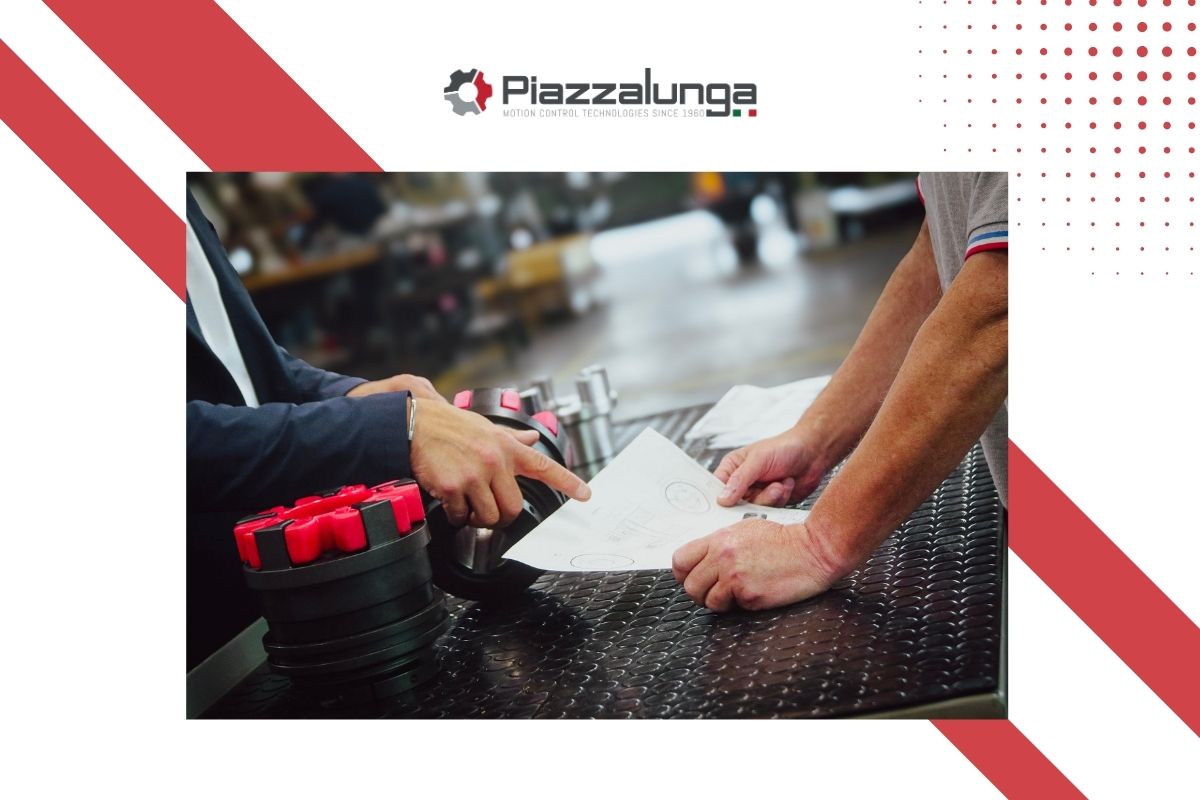
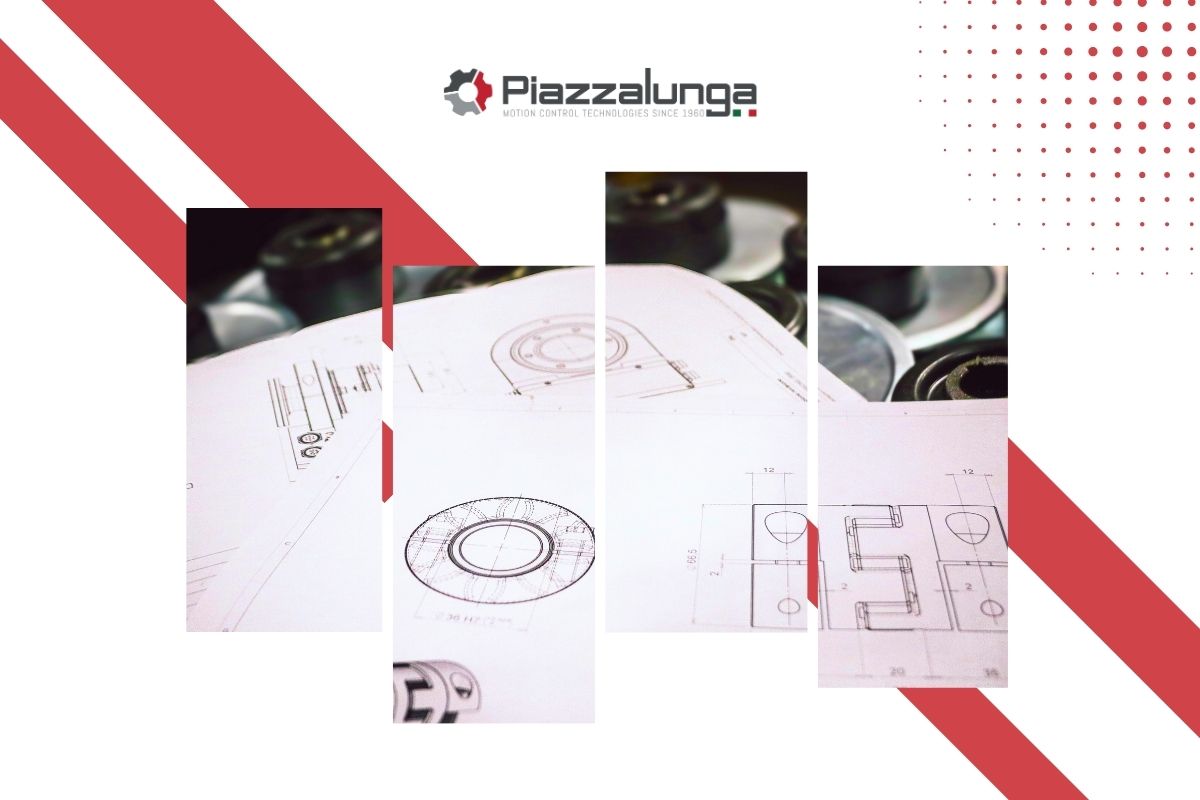
Customization always starts with analysis
Understanding how the machine operates, what the real loads are and which constraints must be respected.
Only from this point is it possible to define a solution that is not just compatible, but truly effective.
In-House Production and Flexibility
A crucial factor in this process is the ability to manage both design and production in-house.
This allows intervention on:
- geometries;
- materials;
- configurations;
- interfaces.
Flexibility is not only technical, but also operational: it means being able to respond quickly and effectively to specific requirements.
Customization for Small Batches
Another increasingly relevant aspect is the possibility of producing customized solutions even in small batches.
For many OEM manufacturers, this is a concrete advantage: adapting the component without redesigning the entire machine or accepting technical compromises.
Conclusion: From Product to Solution
In summary, these are the key points that emerged at MECSPE 2026:
- the growing interest in reliable and versatile solutions such as jaw-type elastic couplings;
- the increasing focus on customization as a way to improve real-world performance.
The meeting point between these two aspects is clear:
the value isn’t just in the component, it’s in how well it adapts to the system it works within.
As often happens, the most valuable conversations don’t stop at the trade fair, they’re only the beginning.